The forthcoming EU Green Claims Directive will require any voluntary environmental claim or label used in B2C marketing in the EU to be specific, evidence‑based, independently verified, and transparently communicated, with significant penalties for greenwashing. Its aims are positive, although it would be best to have mandatory laws rather than foc...
ECOCLUB Blogs™
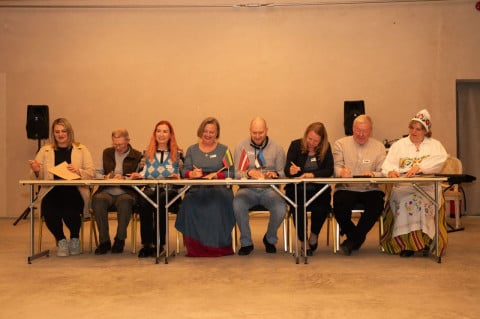
The international conference "National Parks, Local Communities and Collaboration", held at Palmse Manor to celebrate the 55th anniversary of Lahemaa National Park, brought together representatives of national parks, local communities, researchers, and sustainable tourism initiatives from across the Baltic States and Europe.The highlight of the two...
Tired of getting into circular arguments with die-hard fossil fuel supporters about the 'unsustainability' and fake greenness of electric vehicles (EVs) I decided to do a little research. Some key findings for your own conversations and debates! EVs do indeed have an environmental footprint. According to a landmark International Energy Ag...
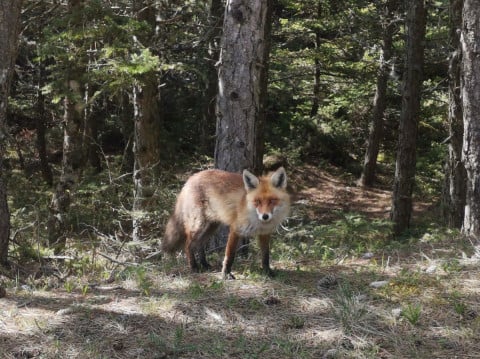
"The fox fell silent and looked at the Little Prince for a while. "Please... tame me!" she said." - Antoine de Saint-Exupéry, Le Petit Prince (1943).Wildlife is supposed to be wild, not habituated. Yet, highly intelligent wild animals that are dietary generalists, like foxes, are very prone to habituation in high-visitation natural ...
I recently wrote a paper on moral licensing in environmental psychology. My study looked at how people often prefer low-cost pro-environmental behaviors that require little effort while avoiding high-cost behaviors that require lifestyle changes. This can happen because performing one positive action sometimes reduces motivation to act sustainably elsewhere. Factors like guilt reduction and moral identity help explain why small actions can reduce willingness for bigger, impactful ones.This is important for ecotourism. Visitors might choose an eco-friendly hotel or reuse towels but then feel “licensed” to take more flights or ignore other sustainable practices. By understanding moral licensing, we can design strategies to encourage consistent, high-impact sustainable behavior among travelers.My research highlights the psychological barriers that shape how people act on climate and sustainability issues. Applying these insights to ecotourism can help promote responsible travel that benefits both communities and the environment.I’d love to hear from the ECOCLUB community: How do you stay consistent in making sustainable choices while traveling? Share your experiences and ideas — your insights could help inspire others to take meaningful, high-impact actions!
Roots Tourism (also known as Genealogical or Diaspora Tourism) is a subset of Heritage Tourism that involves international travel to the places ancestors or family came from, aiming to reconnect with cultural, genealogical, and emotional heritage. Roots Tourism is generally compatible with both Sustainable and Regenerative Tourism models as it also...
Reflections from the EuroCluster Rural Tourism Project The EuroCluster Rural Tourism project was designed to strengthen the resilience and competitiveness of rural tourism micro- and nano-enterprises across Europe. Implemented between October 2023 and February 2025, the project provided tailored, expert-led support to 188 SMEs in more than 15 EU an...
Just before Christmas, Estonia's Soomaa region will mark four years since the inscription of its tradition of building and using expanded dugout boats in UNESCO's List of Intangible Cultural Heritage in Need of Urgent Safeguarding. The past years have shown that this has not been merely a symbolic recognition, but a process that genuinely supports ...
Northern Pakistan: A Must-Visit Destination Northern Pakistan is a land of awe-inspiring beauty, where green meadows stretch beneath towering snow-capped peaks, clean and clear rivers carve their way through dramatic valleys, and waterfalls cascade into serene landscapes. Often described as the crown jewel of Pakistan, this region offers an extraor...